

China has rolled out a fresh package of fiscal and monetary measures covering housing, infrastructure, technological upgrading and small businesses, sending a strong policy signal that authorities are stepping up targeted support to spur domestic demand and boost economic growth.
The measures announced on Sept. 29 include interest subsidies for eligible commercial mortgages, a cut in the interest rate on pledged supplementary lending (PSL), an expansion of PSL-supported areas, and larger relending quotas for technological innovation, equipment upgrading, agriculture, small businesses and private enterprises.
Analysts said the package underscores a policy approach that combines near-term growth support with longer-term structural upgrading, while relying more on targeted fiscal and monetary tools rather than broad-based easing. Such an approach is expected to help stabilize domestic demand in the fourth quarter and support the economy in achieving the government’s full-year growth target.
Mortgage interest subsidies lower homebuying costs
Starting Oct. 1, eligible buyers taking out newly issued commercial mortgages for their first homes will receive an annual interest subsidy of 1 percentage point for up to five years.
The maximum loan amount eligible for the subsidy is 1 million yuan (about 148,475 U.S. dollars) per household. Homes must have a floor area of no more than 120 square meters and cost no more than 1.5 million yuan.
For a long-term mortgage of 1 million yuan, the subsidy could reduce cumulative interest payments by nearly 50,000 yuan, depending on the repayment schedule, according to analysts.
Xia Lei, chief economist at Sealand Securities, said the measure carries particularly strong signaling significance as it marks the first time the central government has used fiscal funds directly to support home-purchase demand.
He said the measure could reduce monthly mortgage burdens, improve the relative return on housing assets and make home purchases more attractive to households with genuine demand.
Smaller third- and fourth-tier cities, county-level markets and satellite cities are likely to benefit the most, as mainstream housing prices there generally fall within the policy limits. Many ordinary second- and third-tier cities, particularly provincial capitals in central, western and northeastern China, are also expected to see relatively broad coverage.
The policy could also have implications beyond housing. Several economists noted that housing is the largest single expenditure for many Chinese households, meaning that lower mortgage costs could release some purchasing power that would otherwise be absorbed by monthly repayments.
Luo Zhiheng, chief economist at Yuekai Securities, said the policy uses fiscal resources as a backstop for middle- and lower-income households that need more support when purchasing homes.
“The subsidy lowers their mortgage burden, improves cash flow and strengthens their ability to withstand risks,” Luo said. “The money freed up can also be used for new consumption.”
The financing structure is also noteworthy. The central government will cover 90 percent of the subsidy cost, while local governments will bear the remaining 10 percent.
Analysts said this design takes the condition of China’s banking system into account. Unlike another mortgage-rate cut, the subsidy is financed by fiscal authorities, meaning banks’ asset-side returns are not directly reduced.
PSL gets lower rate, broader scope
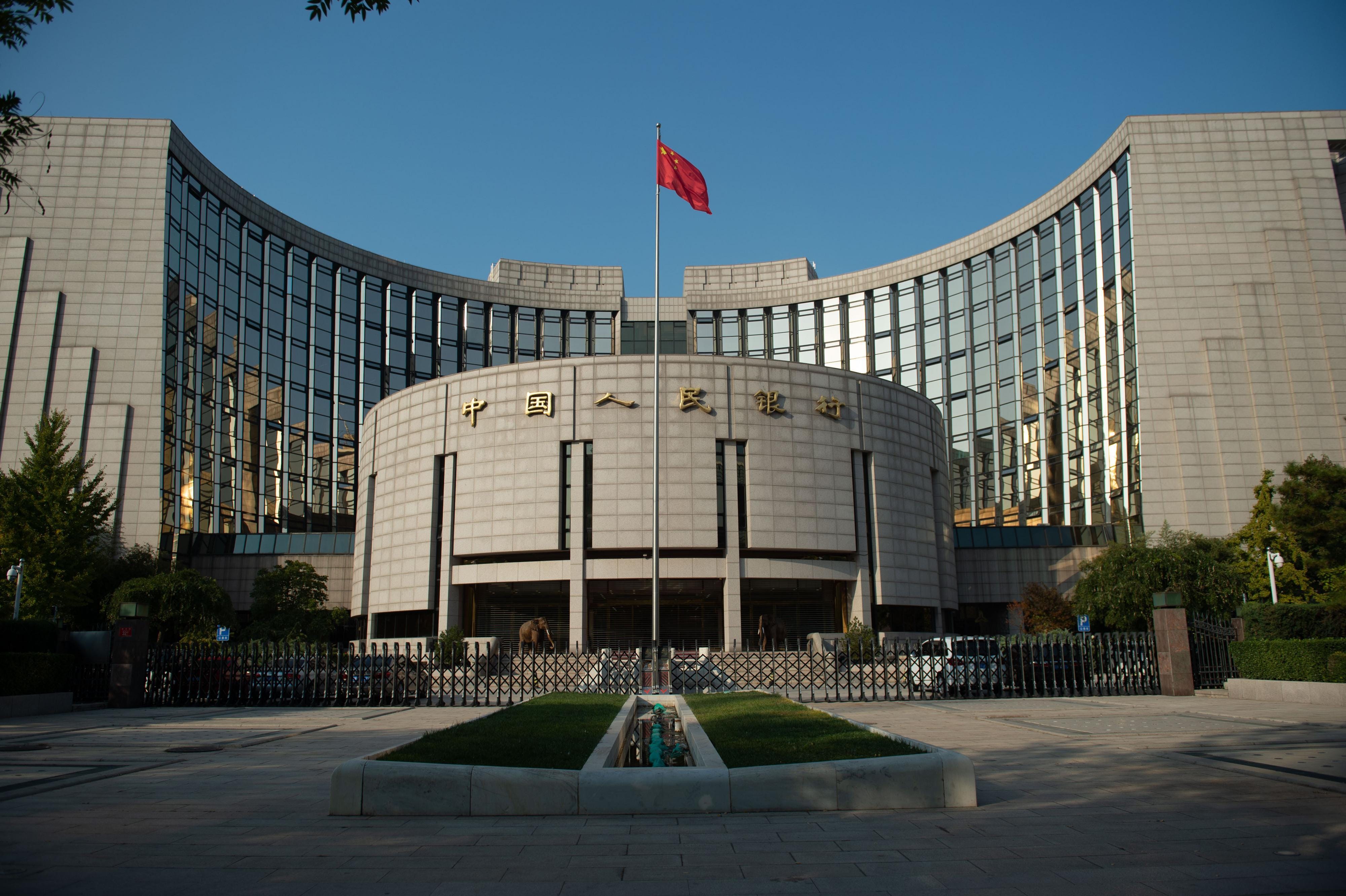
The central bank also announced a two-pronged adjustment to PSL, combining a lower funding cost with an expanded range of eligible projects.
The central bank cut the one-year PSL rate by 25 basis points, from 1.75 percent to 1.5 percent, while expanding the facility to cover six types of infrastructure networks: water, next-generation power grids, computing infrastructure, next-generation communications, urban underground pipelines and logistics networks.
Dong Ximiao, chief economist at Merchants Union Consumer Finance Company Limited, said the two changes highlight PSL’s role as a provider of medium- and long-term funding.
As PSL provides long-term funding from the central bank to policy and development banks, a lower rate directly reduces their funding costs and strengthens their capacity to extend relatively low-cost, longer-term credit to the real economy and areas serving national strategies, Dong said.
The six types of projects are generally characterized by large investment needs and long construction periods, making them areas where purely commercial financing may face maturity mismatches or relatively high risk.
Policy finance can therefore play a guiding role by providing longer-term funding and encouraging more resources to flow into network infrastructure and strategic projects, which analysts said could help strengthen the foundations for industrial upgrading and new growth drivers.
Ming Ming, chief economist at CITIC Securities, said bringing the six networks under PSL support could help major projects get off the ground and promote a recovery in investment.
He estimated that investment in the six networks and related priority areas could exceed 7 trillion yuan in 2026, with direct investment during the 15th Five-Year Plan period (2026-2030) potentially reaching 30 trillion yuan and generating substantially more upstream and downstream investment.
More firepower for technological innovation, private firms
The central bank also stepped up targeted credit support for technological innovation, equipment upgrading and private businesses by expanding two relending facilities.
The quota for relending supporting technological innovation and equipment upgrading was increased by 200 billion yuan, taking the total from 1.2 trillion yuan to 1.4 trillion yuan. More significantly, the share of eligible bank loans that can be supported by central-bank relending will rise from 60 percent to 100 percent.
Dong said the higher quota would broaden the policy’s reach, while the increase in the support ratio could have a stronger effect on banks’ lending incentives.
Technology companies, particularly smaller ones, often have few tangible assets, high research spending and uncertain returns, making traditional bank financing more difficult. With eligible loans now able to be fully matched by low-cost central-bank funds, banks will face lower funding costs and capital pressure, which could strengthen their willingness to lend to technology firms and companies investing in equipment upgrades, Dong said.
At the same time, the central bank increased the relending quota for agriculture and small businesses by 500 billion yuan, lifting the combined quota for such relending and rediscount facilities from 4.35 trillion yuan to 4.85 trillion yuan.
Of the increase, 300 billion yuan was added to the dedicated relending quota for private enterprises, taking the total from 1 trillion yuan to 1.3 trillion yuan.
Liu Tao, a senior researcher at the International Institute of Finance under the China Chief Economist Forum, said the move provides more targeted support for small and medium-sized private firms, which often face greater constraints in accessing affordable financing.
By providing locally incorporated banks with more low-cost funding, the measures are expected to encourage more credit to flow to technology firms, small businesses and private enterprises, helping ease financing bottlenecks, support investment and bolster business confidence, Liu said.
Targeted easing rather than blanket stimulus
Taken together, the latest package combines aggregate support with structural optimization, seeking to balance several objectives at once: stabilizing growth, expanding domestic demand and advancing structural transformation.
Ren Tao, a specially appointed researcher at the Shanghai Institution for Finance and Development, noted that the measures came just one day after a State Council executive meeting, reflecting a relatively rapid policy response.
Their announcement at the end of the third quarter and just before a major holiday also underscored policymakers’ intention to stabilize growth and market expectations, Ren said.
Rather than relying on sweeping rate cuts or reserve-requirement reductions, China is increasingly using fiscal subsidies and structural monetary tools to push credit towards selected parts of the economy that will drive the next phase of growth, the economists noted.